Paulus Ambunda — Paramedicine, Research, and EMS in Namibia
A Namibian perspective on EMS — education gaps, retention, and TBI research.
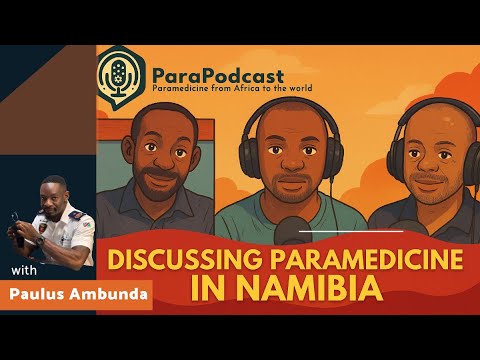
Paulus Ambunda offers a vital perspective from Namibia, bringing years of experience as a paramedic and insights gained through dedicated research. Currently serving as Manager: Emergency Services at the MVA Fund of Namibia, his conversation on the ParaPodcast sheds light on the specific challenges and realities of providing emergency medical care within the Namibian context.
Education and the transition to practice
A significant part of the discussion revolves around the rigorous demands of emergency medical care education in Namibia and the critical gaps within the system. Paulus shares his unique journey into paramedicine, highlighting the challenges students face. The conversation starkly contrasts the transition from academic training to the frontlines, revealing differences between private and government ambulance services in Namibia.
Retention, mentorship, and confidence
Paramedic retention is a prevalent issue. Paulus emphasises the necessity of mentorship and strong teamwork in supporting paramedics and encouraging them to stay in the profession. Building clinical confidence, he notes, develops primarily through practical experience.
Paulus discusses prevalent issues like paramedic retention, the necessity of mentorship and teamwork, and how clinical confidence develops through practical experience.
— Key themes from the conversation
Research focus: traumatic brain injuries
Paulus's commitment extends beyond clinical practice into research. His work — including the paper "Severe traumatic brain injuries secondary to motor vehicle crashes in two Namibian regions: a retrospective review" — examines the characteristics of severe TBIs from motor vehicle crashes, shedding light on the substantial socio-economic impact of such injuries.